
Finding the right elder care in India can feel overwhelming, especially if you are making decisions from a distance or during a health crisis. Families often wrestle with concerns about safety, medical support, emotional well‑being, and cultural compatibility, while seniors themselves may worry about losing independence or leaving familiar surroundings. Across India, the options range from in‑home caregivers and assisted living communities to full‑service retirement resorts, each offering different levels of comfort, care, and lifestyle.
Navigating these choices becomes easier when you know what to look for and how to evaluate each option. By focusing on safety standards, professional care, community life, and personal preferences, you can create a clear picture of what “good elder care” means for your family. The following nine approaches will help you identify settings where older adults can live securely, with dignity and meaningful daily routines, anywhere across India.
1. Start with Clarity on Needs, Lifestyle, and Budget
The first step in finding safe and comfortable elder care is understanding exactly what your loved one needs today, and what they might need in the coming years. Some seniors are healthy and independent, mainly seeking a peaceful environment, social interaction, and convenient services. Others may require medical monitoring, help with daily activities, or support for chronic conditions. Honest conversations with your family and healthcare providers will help you distinguish between basic senior living, assisted care, and higher levels of medical support.
Lifestyle preferences matter just as much as medical considerations. Many Indian seniors want a familiar cultural atmosphere, vegetarian or region‑specific food, opportunities for religious practice, and spaces for social gatherings. You should also define how far you are willing to travel, whether you prefer urban accessibility or countryside calm, and what financial range feels sustainable. Once you are clear, you can explore retirement communities, specialized care homes, or resort‑style campuses and, if a particular community aligns well with your expectations, you can confidently reserve your stay with us knowing that the environment reflects your priorities.
2. Examine Safety Measures, Security, and Emergency Preparedness
Safety is often the first concern families raise, and it covers more than just locked gates or security staff. A truly secure elder care setting considers the entire physical environment: well‑lit corridors, ramps and grab rails, non‑slip flooring, accessible bathrooms, and emergency call systems in rooms and common areas. These features reduce fall risk and give seniors confidence to move around independently. When you visit a facility, look carefully at these details, because they reveal how seriously the management takes day‑to‑day safety.
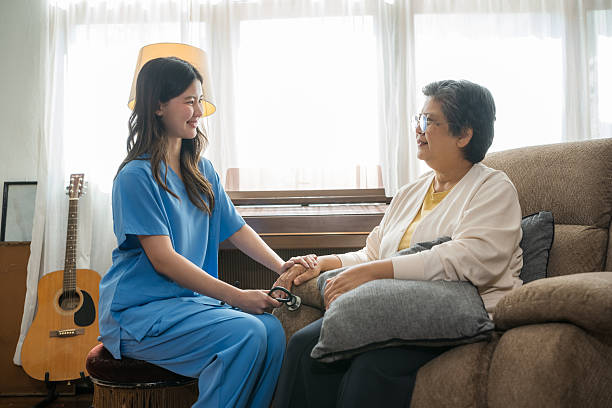
Emergency preparedness is equally important. Ask about fire safety protocols, evacuation plans, and the availability of on‑site or nearby ambulance services. In well‑managed communities, staff are trained to respond quickly to medical events, and systems are in place for contacting doctors and family members. Continuous monitoring through CCTV in public areas, along with respectful privacy in private spaces, helps maintain both security and dignity. When these elements work together, seniors can enjoy their routine without constant anxiety, and families can feel assured that help is available whenever it is needed.
3. Assess Healthcare Support and Coordination with Doctors
Comfort in elder care is closely tied to reliable healthcare. In India, good senior communities increasingly integrate medical services into daily life, offering on‑site clinics, visiting physicians, and nursing support. When reviewing options, ask how often doctors visit, whether there is a resident medical team, and how emergencies are handled outside normal hours. The ideal environment is one where basic health needs are addressed promptly and preventive care is built into the routine, rather than only reacting during crises.
Medication management is an area that deserves particular attention. Seniors often take multiple prescriptions, and missed doses or incorrect combinations can have serious consequences. A responsible care setting maintains updated medical records, schedules regular check‑ups, and helps coordinate specialist consultations in nearby cities when necessary. Transparent communication with family members about health status, test results, and treatment decisions ensures that you remain part of the care journey, even if you live in another state or country. This coordinated approach helps seniors feel supported and reduces the stress on relatives trying to oversee care from afar.
4. Look for Comfortable Living Spaces and Thoughtful Amenities
Safe elder care does not stop at medical support; it extends to the comfort and quality of the living environment. Well‑designed rooms or suites with ample natural light, proper ventilation, and climate control can dramatically improve mood and overall well‑being. Seniors benefit from spaces that are compact enough to be easy to manage, yet spacious enough to move around freely. Furnishings should be sturdy, comfortable, and arranged to minimize obstacles, with seating options that make it easy to sit down and get up.

Amenities such as accessible dining areas, quiet reading corners, landscaped gardens, and indoor lounges create a sense of home rather than an institutional atmosphere. In many Indian retirement communities, you may also find dedicated spaces for prayer, meditation, or cultural activities, reflecting local traditions. These thoughtful details help seniors maintain familiar habits while embracing a new phase of life. When living spaces feel warm and well planned, older adults are more likely to stay active, engage socially, and view the move as a positive change instead of a loss of independence.
5. Prioritize Nutrition, Dining Experience, and Daily Comfort
Food carries emotional meaning, especially for Indian seniors who have long‑standing culinary preferences. A safe and comfortable elder care setting pays close attention to nutrition as well as taste. Balanced meals tailored to health conditions—such as diabetes, hypertension, or heart issues—form the foundation of long‑term wellness. At the same time, familiar flavors and occasional festive dishes help seniors feel at home and look forward to mealtimes. When evaluating a community, ask how menus are planned, whether special diets are accommodated, and how feedback from residents is handled.
The dining experience itself influences social connection and comfort. Clean, well‑organized dining spaces encourage seniors to interact, reducing isolation and loneliness. Flexible timings, options for room service when someone is unwell, and access to refreshments through the day add convenience to daily life. Hydration, small snacks, and culturally appropriate beverages like herbal teas or buttermilk can make a big difference in how seniors feel. A thoughtful approach to food signals that the community understands everyday needs, not just medical requirements, and supports the overall physical and emotional health of residents.
6. Evaluate Opportunities for Social Engagement and Active Living
A safe environment is essential, but a truly comfortable elder care setting offers more than protection; it nurtures joy, connection, and purpose. Across India, many modern retirement homes and resorts incorporate activities such as yoga, gentle exercise, music sessions, games, and hobby groups into their regular schedule. These activities are not simply entertainment—they help maintain mobility, cognitive function, and emotional resilience. When seniors participate in group events, they are more likely to form friendships and feel part of a community rather than isolated.

When exploring options, ask about both indoor and outdoor engagement opportunities. Quiet walking paths, gardens, terraces, and seating areas encourage regular movement and time outdoors, which supports mental well‑being. Indoor libraries, game rooms, or multipurpose halls can host reading circles, cultural events, and festivals that celebrate regional traditions. The best environments respect varying energy levels: some seniors may enjoy lively gatherings, while others prefer smaller, calmer interactions. By offering diverse activities and the freedom to choose, a community allows each resident to shape a routine that feels meaningful and personally fulfilling.
7. Consider Emotional Support, Cultural Fit, and Family Involvement
Elder care is as much about emotional comfort as it is about physical safety. Seniors may struggle with feelings of separation from family, changes in health, or the transition from a familiar home to a new setting. A compassionate care environment recognizes these emotions and responds with patience and understanding. Staff who speak the local language, respect customs, and address residents by name can create a sense of belonging. Cultural fit—whether in food, festivals, or daily practices—helps seniors maintain identity and continuity in their new surroundings.
Family involvement remains central in the Indian context. Even when seniors live in a retirement community, families often wish to visit regularly, celebrate special occasions, or participate in care decisions. It is important to choose a setting that welcomes visitors, supports video calls for relatives living abroad, and encourages open communication with caregivers. Transparent policies around visiting hours, overnight stays, and participation in events ensure that families stay connected. Such collaboration reassures seniors that they are not being “sent away,” but are instead gaining a supportive community while retaining deep ties with those they love.
8. Verify Credentials, Reviews, and Long‑Term Stability
Before making any final decision, take time to verify the credibility and stability of the elder care option you are considering. Check how long the community has been operating, who manages it, and whether it collaborates with recognized healthcare providers. Explore the website carefully, and do not hesitate to request additional information or clarification on services, pricing, and terms of stay. Transparent communication is a strong indicator that the management is confident in its standards and welcomes scrutiny.
Independent reviews, testimonials, and references from other families can provide valuable insight into everyday experiences. Look for consistent feedback about cleanliness, staff behavior, responsiveness during emergencies, and overall resident satisfaction. It is also wise to consider the long‑term viability of the project, especially if you are planning for many years of stay. A well‑planned, professionally managed retirement community with clear policies is more likely to sustain its quality over time. By combining your personal impressions with documented evidence, you can make a choice that is not only comfortable today but reliable for the future as well.
9. Visit in Person, Ask Detailed Questions, and Trust Your Observations
Finally, whenever possible, plan an in‑person visit before committing to an elder care option. Walking through the campus, observing interactions between staff and residents, and experiencing the atmosphere firsthand will give you insights that brochures and websites cannot. Notice how residents look and behave: do they seem relaxed, engaged, and well cared for? Pay attention to cleanliness, noise levels, and the general energy of the place. These subtle cues often reveal whether the environment truly supports comfort and dignity.
Use your visit to ask specific, practical questions. Clarify the admission process, medical protocols, costs, and what is included in standard packages. Enquire about how the community handles changing health needs over time and whether customization is possible. Take time to speak with staff members at different levels—nurses, caregivers, administrators—and assess their attitude and professionalism. As you gather information, balance facts with intuition. If the environment feels safe, welcoming, and respectful, and if the answers you receive are clear and consistent, you are likely close to finding a setting where your loved one can live securely and happily in their later years.
Conclusion
Choosing elder care across India is a profound responsibility, but it need not be a journey marked by fear or uncertainty. By carefully evaluating safety measures, healthcare support, living comfort, nutrition, social engagement, emotional fit, and organizational credibility, you can build a clear framework for making decisions. Modern retirement communities and senior living resorts are increasingly designed to offer not only medical assurance, but also holistic well‑being, combining convenience, security, and vibrant community life.
When you approach elder care with thoughtful planning and open dialogue, you honor your loved ones’ preferences while ensuring their needs are met. The goal is not simply to find a place where seniors can “stay,” but to create a life where they remain active, respected, and at peace. With the right environment, elder care becomes an opportunity for renewal—a chance for older adults to enjoy their golden years in comfort, surrounded by people and services that truly care.
















 Fitness Info Hub